
In a short-cycle or continuous lamination press, two consumables sit between the heated platen and the panel, and between them they decide almost everything about the finished surface. Neither fails in a way that stops the press. Both fail in ways that show up in quality.
The Press Plate Carries the Surface
The plate is what transfers texture and gloss into the resin. It is a decor component as much as a tooling component, which is why a replacement has to match the texture designation and not merely the dimensions.
Plates wear gradually. Texture flattens, gloss drifts, and release behavior changes. Because it happens across thousands of cycles, the reference point moves with it, and the drift is often only obvious when a new plate goes in beside an old one.
The Press Pad Distributes the Pressure
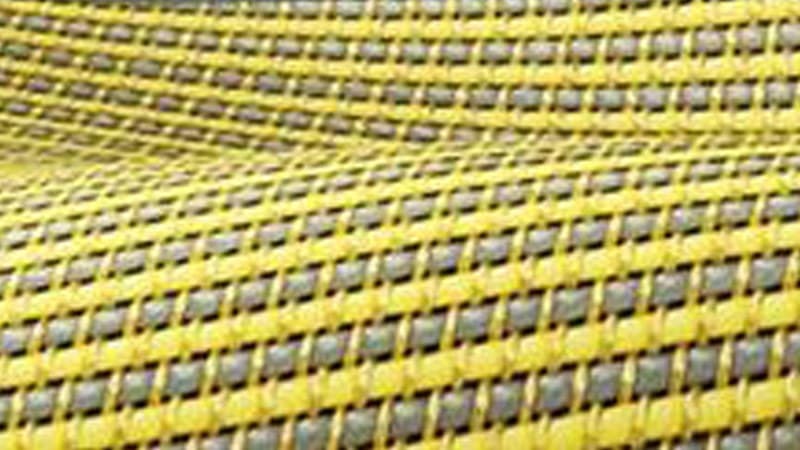
Behind the plate sits the pad, typically a woven or braided construction of steel wire and high-temperature fiber. Its job is to even out pressure across the whole platen face so every part of the panel sees the same conditions.
Pads take compression set. As they do, pressure distribution goes uneven, and the symptoms are not obviously pad-shaped: gloss variation across the panel, patchy cure, thickness deviation edge to center. Plants routinely chase these through resin and temperature adjustments before anyone suspects the pad.
The Symptoms Worth Acting On
- Gloss varying across the panel width rather than randomly
- Edge-to-center thickness deviation that resin changes do not fix
- Texture that has visibly softened against a retained reference sample
- Having to raise pressure over time to achieve the same result
Why Replacement Is Scheduled Work
Because both degrade gradually, the cost of running them too long is paid continuously in reject rate rather than suddenly in downtime. That makes them a planning problem rather than a maintenance emergency, and it means the economics favor replacing on a defined cycle.
To quote either, we need the platen dimensions, the press type, and the operating temperature and pressure. For plates we also need the texture or finish designation, or a sample reference. Keeping a retained sample of a new plate's surface is a cheap habit that makes the wear question answerable later.