
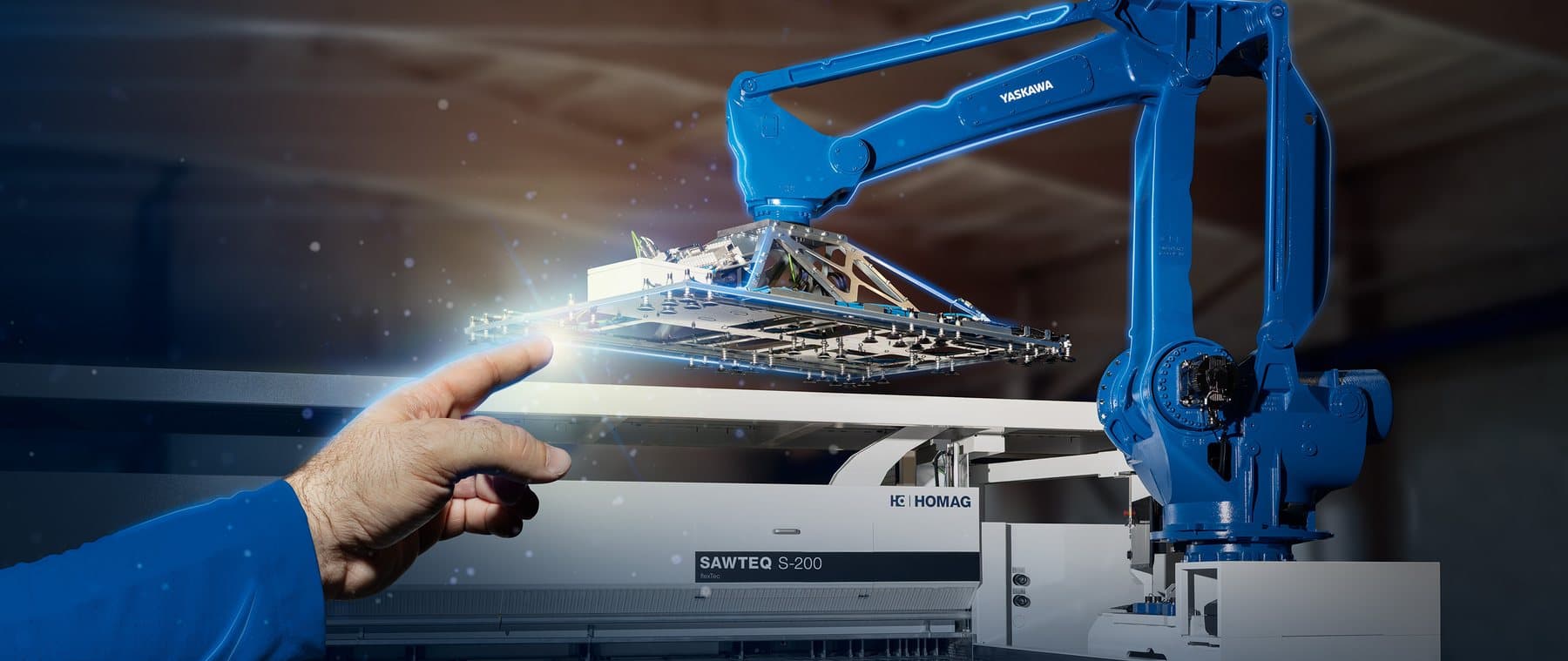
Machines rarely announce that they need rebuilding. They drift. Output creeps down, scrap creeps up, and the maintenance log fills with small unrelated jobs that nobody connects until someone adds up the year.
- 61% of manufacturers hit by unplanned downtime in a year1
- $400k/hr average U.S. cost of an outage1
- up to 72hr duration reported by 15% of respondents1
Fluke's 2025 research found 61% of manufacturers suffered unplanned downtime in the previous year, at an average U.S. cost of about $400,000 an hour, with 15% reporting incidents that ran as long as 72 hours. Those are the numbers a deferred rebuild is quietly betting against.
The Signals Worth Taking Seriously
- Repair frequency rising while repair size stays small. Ten small jobs in a year is a worse sign than one large one, because it usually means wear has become general rather than local.
- Tolerances that need resetting more often. If an adjustment that used to hold for months now holds for weeks, something underneath it has worn.
- Rising scrap that survives a tooling change. New tooling that does not fix the finish points at the machine, not the tool.
- Noise, heat or vibration that has become normal. Anything the operators have stopped mentioning because it has always been like that.
- Parts becoming hard to find. This one is about timing rather than condition, and it is the one most plants notice too late.
The Economics Are Usually Clearer than They Feel
The instinct is to compare rebuild cost against replacement cost. That comparison understates the rebuild, because it ignores the cost of the new machine's integration, programming, training and the weeks of reduced output while everyone learns it.
The more honest comparison is rebuild cost against replacement cost plus disruption, weighed against how many productive years each option buys. On well-built European machinery, a rebuild frequently wins, which is why plants keep presses and saws running for thirty years.
Plan It Before It Is Decided for You
A rebuild you schedule happens in a shutdown window with parts already on the shelf. A rebuild forced by a failure happens at whatever speed the supply chain allows, which for European machinery can be weeks.
The practical step is to inventory the wear parts on your critical machines and find out what each one costs and how long it takes to get. That exercise usually reveals two or three items with alarming lead times, and those are the ones to stock.